
Water Bladders vs Water Bottles: Choosing the Best Hydration System for Rucking
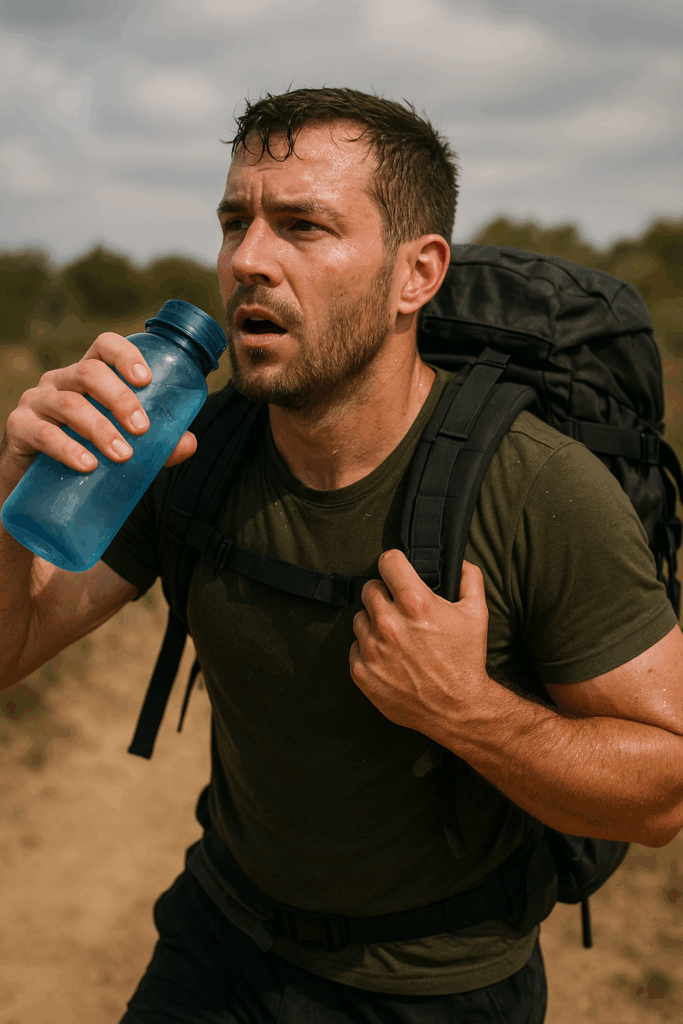
Both water bladders and water bottles play pivotal roles in ruck hydration, each offering distinct benefits for long-distance training and events. This article explores when and why to use each, helping ruckers stay hydrated, efficient, and comfortable on the move.
Benefits of a Water Bladder
- Hands-free hydration: Drinking from a tube while moving encourages more frequent and consistent hydration, preventing dehydration and boosting endurance.
- High capacity: Most water bladders carry 2-3 liters, letting ruckers go longer between refills—ideal for long, remote treks.
- Packs comfortably: Bladders conform to the shape of a ruck and shrink as you drink, saving space and improving comfort.
- Weight distribution: Internal placement keeps weight close to your back for better balance and less fatigue.
- Cooler water: Stashed in the pack, water stays cooler longer versus side pockets.

Drawbacks of a Water Bladder
- Harder to refill on the trail, especially in packs with internal sleeves.
- Difficult to monitor water levels, risking unexpected depletion if not managed.
- Can leak or break—always check connections and pack carefully.
- Susceptible to freezing during cold weather, as the drinking tube freezes first.
- Requires thorough cleaning and drying to prevent mold or bacteria.
Benefits of Water Bottles
- Easy to refill at stops or natural sources; compatible with most water filters.
- Simple to gauge remaining water, helping ruckers track intake systematically.
- Durable, lightweight, and less prone to rupture than bladders.
- Versatile—works for electrolytes, flavored powders, or even ready-mix sports drinks.
- Easier cleaning with no hoses or valves; less risk of developing mold inside.
Drawbacks of Water Bottles
- Require stopping and taking off the pack for access unless your ruck features external pockets.
- Bulkier—even empty, they occupy space and don’t compress.
- Need frequent refills if carrying smaller bottles.
- Can create uneven weight distribution in packs if not balanced or positioned well.
Best Practices for Ruckers
- Combine both: Use a bladder for on-the-go hydration and bottles for easy refill and supplemental liquids.
- In cold weather, rely more on bottles to reduce freezing risk.
- Always carry a backup bottle in case of bladder malfunction or need for extra water at camp.
- Check your gear before rucking—test for leaks, clean thoroughly, and plan your refill points on longer routes.
Conclusion
Water bladders and bottles both serve vital hydrating functions. Bladders excel for long, hands-free, high-capacity hydration; bottles shine for simplicity, monitoring, durability, and versatility. For most ruckers, carrying both creates optimal redundancy, comfort, and hydration safety.