
Cold-Weather Rucking Tips: How to Layer and Stay Warm
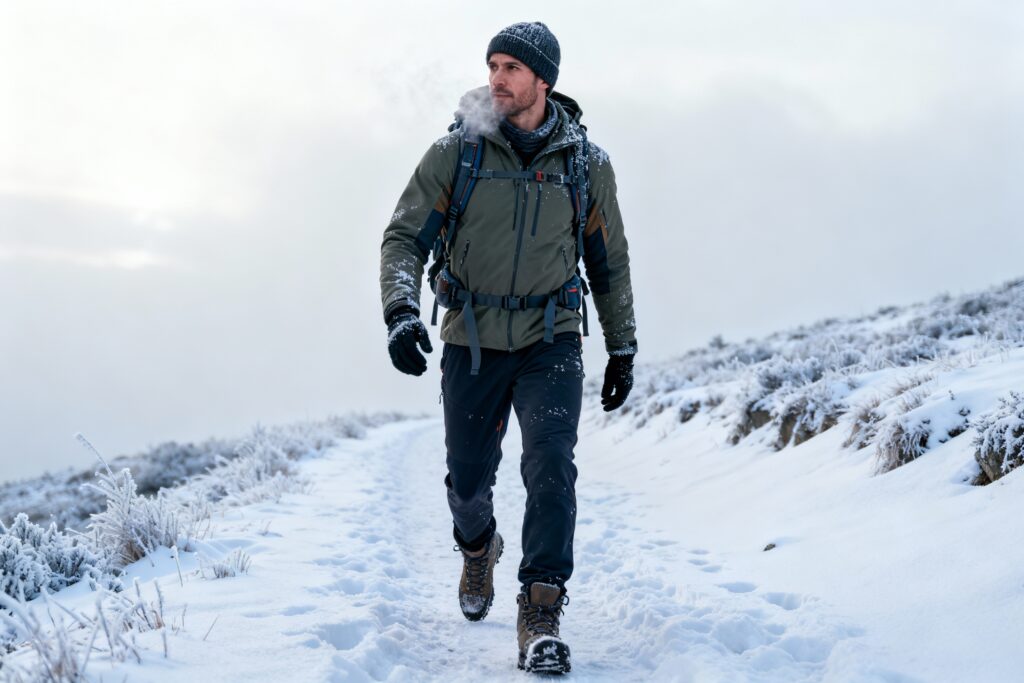
Cold-Weather Rucking Tips: How to Layer and Stay Warm
When the temperature drops, rucking doesn’t have to stop. With the right layering strategy and gear, you can stay warm, dry, and comfortable — even on long winter miles. Here’s how to prepare for your next cold-weather ruck.
The Challenge of Cold-Weather Rucking
Cold weather presents unique challenges for ruckers: dropping body temperature on rest breaks, sweating through layers during steep climbs, and handling gear with numb fingers. The key is to regulate your body heat without holding in moisture. Proper layering makes all the difference.
Base Layer: Moisture Management Starts Here
The base layer sits closest to your skin, so its job is to wick sweat and prevent chill.
- Choose materials wisely. Stick to merino wool or synthetic blends — never cotton.
- Fit snugly but comfortably. A tight fit traps warmth and wicks better.
- Consider coverage options. Long sleeves and leggings work great; add a neck gaiter for extra protection.
Popular picks: GORUCK’s Rucking Shirts, Senchi Designs Alpha Hoody, or Smartwool base layers.
Mid Layer: Insulation That Breathes
Your mid layer retains heat without trapping moisture. Fleece or lightweight down jackets work well depending on the temperature.
- Active insulation like Polartec Alpha keeps you warm while moving and ventilates excess heat.
- Fleece hoodies or grid fleeces can be layered or swapped based on conditions.
- Great choice is the GORUCK Polartec Grid Fleece. I wear this all winter long.
- Down or synthetic puffies are great for rest stops or colder climates.
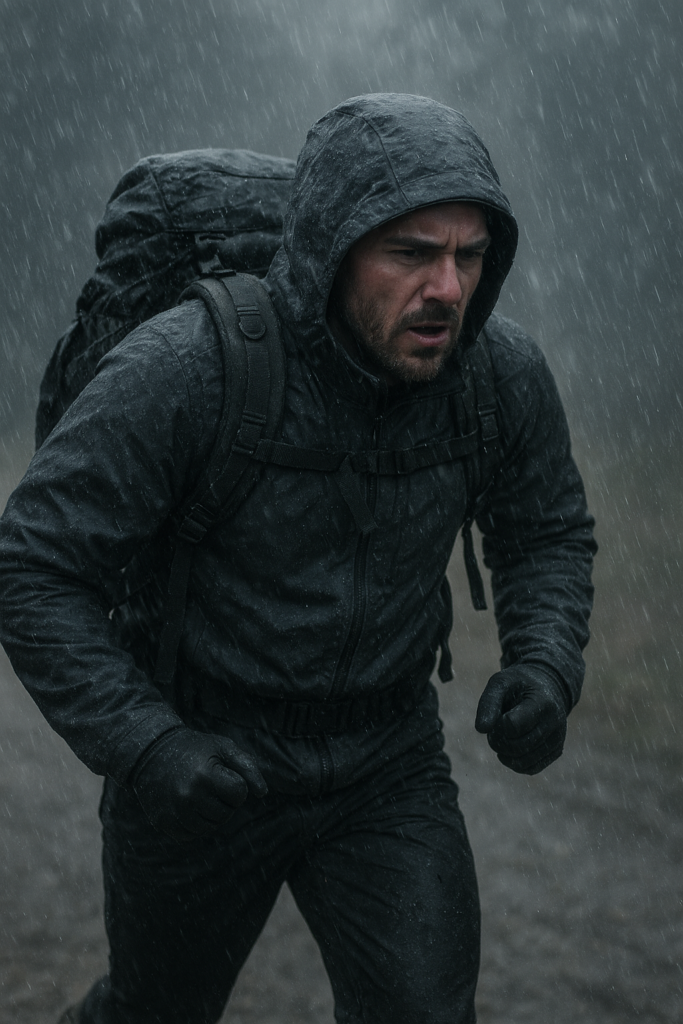
Outer Layer: Wind and Weather Protection
When wind or snow hits, your outer shell is your defense.
- Soft shells offer breathability for dry cold.
- Hard shells or rain jackets handle snow, freezing rain, and wind.
- Go for adjustable vents (pit zips or side zippers) to dump heat quickly during effort.
Top performers include GORUCK’s Windbreaker, Arc’teryx Beta Jacket, and Patagonia Torrentshell.
Extras That Make a Big Difference
Small gear choices add serious comfort in the cold:
- Gloves or mittens: Layer thin liners under windproof shells.
- Headwear: Beanies or fleece-lined caps retain heat without overheating.
- Socks: Double up with thin liners under merino hiking socks.
- Gaiters: Keep snow and debris out of your boots.
Pro tip: keep an extra pair of dry socks and gloves in a ziplock bag inside your ruck — they can save your ruck.
Top performers of socks: GORUCK’s Merino Challenge Socks. These are my go-to socks all year long.
Smart Layering in Action
Think of your layers as adjustable tools. Start slightly cool to prevent sweating early on, unzip or remove a layer halfway through, and always put layers back on during breaks before you start cooling down.
If you’re rucking with a group, plan short movement bursts followed by controlled stops to manage temperature swings.
Recommended Ruck Setup for Winter
- Pack: GORUCK Rucker 4.0 or GR1. These can be in Robic or X-PAC material to weather rain, snow and sand. If you need a bigger pack to store more clothing, go for the GR2 or GR3.
- Weight: Stick with your normal load (20–30 lb) but balance it evenly
- Hydration: Use an insulated hose cover or water bottle to prevent freezing
- Footwear: Consider waterproof, but breathable boots like the Salomon XA Forces Mid GTX work best. Or shoes that drain well, such as the GORUCK MACV series.
Stay Warm, Stay Moving
Cold-weather rucking builds resilience and mental toughness — but it rewards preparation. Layer smart, keep moving, and your winter miles will feel just as rewarding as the summer ones.
Related article: Best Clothing for Rucking in the Rain