Double the Grit, Half the Suffer: Why Group Rucking Beats Solo Miles
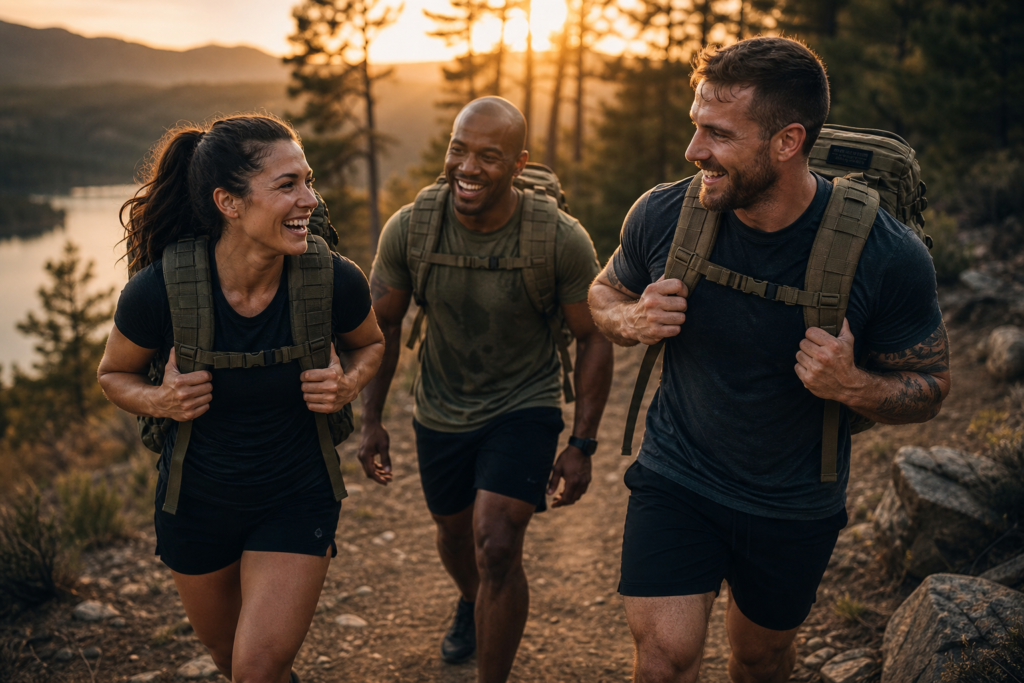
Rucking is one of the most accessible, low-cost forms of fitness training you can do. But while many people start with a solo ruck to test their gear and build base endurance, the real long-term benefits often come from rucking in groups. Whether you’re training for a GORUCK event, a military challenge, or just trying to stay consistent, rucking with others can supercharge your results—both physically and mentally.
Consistency and Motivation: The Power of the Pack
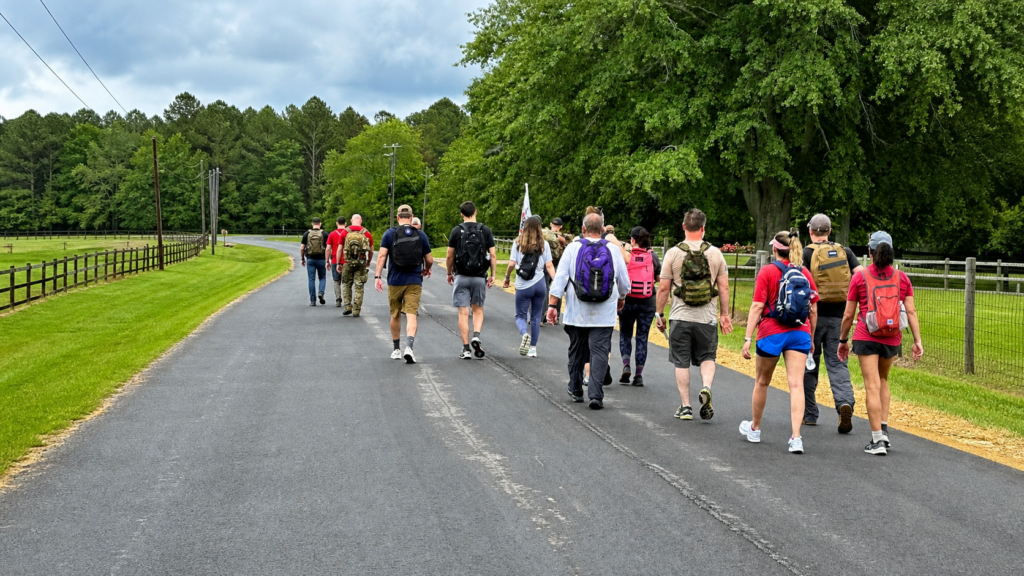
One of the biggest advantages of group rucking is consistency. When you’re on your own, it’s easy to skip a ruck when life gets busy or the weather looks bad. But when you have a group of people expecting you at a park or trailhead, you’re far more likely to show up.
Group rucking creates a social contract: you’re not just working out for yourself; you’re part of a team. That external accountability can be the difference between a few rucks a month and a solid weekly routine. Plus, the camaraderie built over many miles makes the “suck” feel lighter, and the miles feel shorter.
Safety and Support: You’re Never Alone on the Trail
Rucking alone isn’t dangerous, but it does carry more risk. If you roll an ankle or get an unexpected blister, you’re on your own. In a group, you’ve got built-in support: someone to help re-tape your foot, swap gear, or even slow the pace so you can finish without injury.
Group rucking also means better safety in unpredictable environments—whether that’s rough terrain, bad weather, angry dogs or remote areas. A group can spread out to manage traffic on busy roads, carry extra water, or call for help if someone gets hurt. For longer rucks or overnight events, this shared responsibility is a major advantage. I’ve rucked with groups thru neighborhoods that I would never go thru alone.
Shared Knowledge: Learn Faster When You Ruck Together
Solo rucking is great for introspection, mental health and gear testing, but group rucking accelerates learning. In a group, you’ll quickly pick up tips from experienced ruckers: how to load your weight, how to adjust your torso belt, best options for carrying water, and how to manage foot care on long distances.
As a gear reviewer, I also notice that group rucking exposes me to a wider range of equipment, techniques, and strategies. You’ll see how different ruckers solve the same problems, which can inform your reviews, workouts, and advice to your audience.
Mental Resilience: Training Your Mind With Others
Rucking is a mental game. The weight, the distance, and the monotony can wear you down. But when you’re in a group, that mental load is shared. People talk, laugh, and push each other through the tough sections. You learn to handle discomfort by watching others, and you learn to be the person who keeps the group moving when things get hard.
Group rucking also builds leadership and communication skills. You’ll learn how to pace a group, how to motivate others, and how to balance your own goals with the needs of the team. That’s invaluable for anyone training for team-based challenges, military service, or endurance events.
When Solo Rucking Still Makes Sense
Solo rucking isn’t inferior—it’s simply different. I regularly ruck by myself too. Solo rucks are perfect for:
- Testing new gear in controlled conditions.
- Building personal endurance without pacing concerns.
- Recovery rucks where you need to go at your own exact pace.
- Reflective training when you want to focus on mindset or visualization.
- Slipping in a quick ruck during the day or in between work commitments.
The best approach is often a mix: solo rucks for gear testing and personal records, group rucks for long miles, community, and accountability.
The Bottom Line: Ruck Together, Grow Faster
Group rucking won’t just make you stronger; it will make you more consistent, safer, and more resilient. For readers of ruckgearreviews.com, the message is clear: use your gear to ruck with a group whenever you can. The miles feel shorter, the lessons come faster, and the community you build often lasts longer than the ruck itself.
So grab your ruck, check your straps, and find (or start) a local rucking group. The pack is waiting.