GORUCK City Ruck Prep: Urban Scavenger Hunt on Foot (Training and Gear)
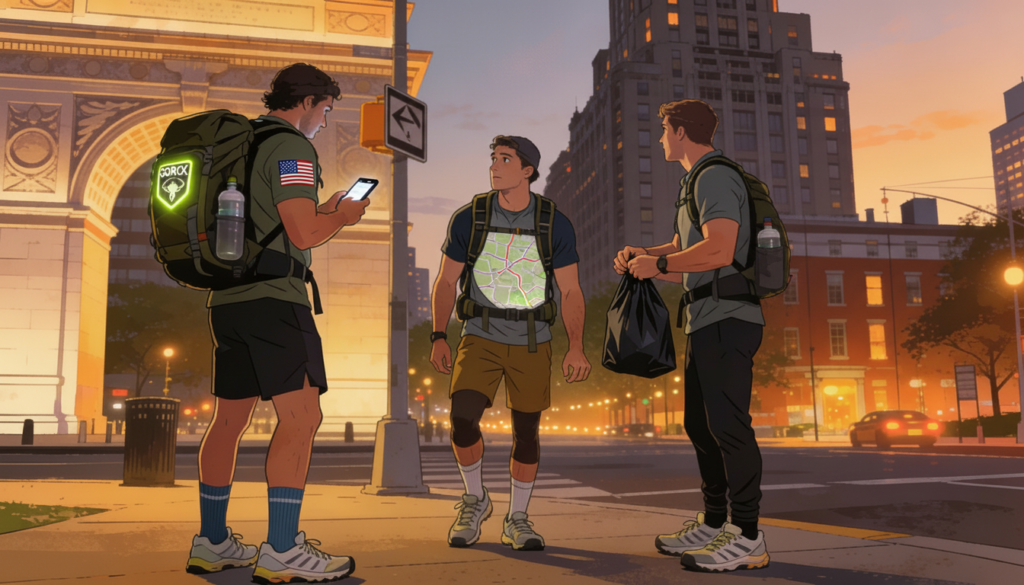
Ruck Race Meets Scavenger Hunt
A GORUCK City Ruck (formerly called Star Course) is a timed urban ruck where you hit checkpoints around a city, usually using navigation apps and your feet to connect them like a scavenger hunt. Distances vary (commonly around 12 miles), so you need a blend of fitness, navigation skills, and smart gear selection to stay efficient and blister‑free. They are held all over the country, and a few outside the US. Check GORUCK’s site for a location near you.
Current ruck weight requirements for Men: 20 lbs.
Current ruck weight requirements for Women: 10 lbs.
These weights do not include hydration, snacks and anything else you’ll need. You must have this weight as a baseline.
Training: How Much to Ruck Beforehand
You don’t need to be an elite athlete, but you should be comfortable walking several miles with weight at a steady 15–20 minute‑per‑mile pace. A simple five‑week build works well for a 10–12 mile City Ruck: start around 4–5 miles and add 1–2 miles each week until you can cover 8–10 miles with your target weight. But honestly, you probably never have to train up to the full distance on these rucks, just get close and do it enough so you know how your gear and body perform.
On non‑long‑ruck days, mix in shorter rucks or bodyweight strength work so your legs, feet, and shoulders get used to time under load without overtraining. Treat at least one training ruck like “race day” to test your full kit, nutrition, and pacing on similar urban terrain.
Best Rucksacks for a City Ruck
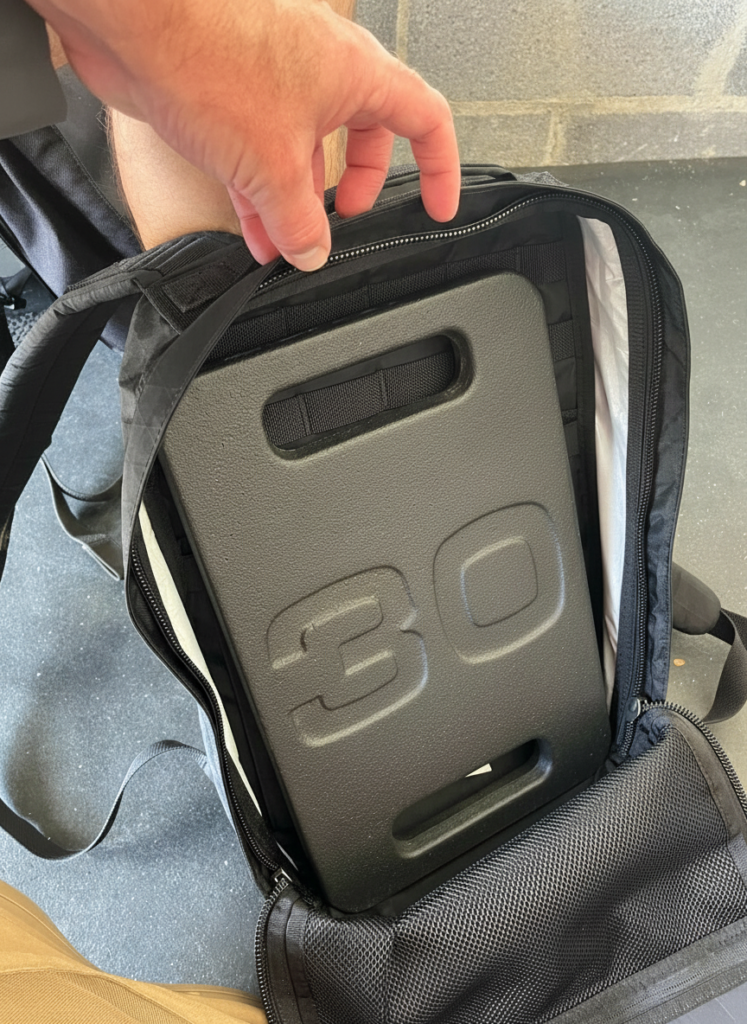
For a GORUCK City Ruck, use a purpose‑built ruck that carries weight close to your back and rides high enough to stay comfortable over several hours. Popular choices include the GORUCK GR1 (21L is best for this event–not too big and not too small) for a versatile daily‑carry plus ruck setup and the GORUCK Rucker for a more training‑focused frame with dedicated plate pockets. The Basic Rucker is a new option that is simple, tough, and includes ample reflectivity for safety.
Look for features like a padded back panel, reliable shoulder straps, and room for a water bladder or bottles plus snacks, rain layer, and potential other layers, depending on weather. If you’re on a budget, any sturdy daypack in the 15-21L range can work initially as long as it holds weight tight to your spine without bouncing.
Weight and Packing Strategy
Start with 20–30 lb total ruck weight if you’re newer and increase only as your training proves you can handle more without hot spots or back pain. Most ruck plates are designed to ride flat and close to your back, but regular gym plates, bricks, sand bags, or tightly wrapped books can work when you’re just getting started.
Pack heavier items high and close to your spine, then stuff softer items (hoodie, spare socks) around them to keep the load from shifting. Use small internal pouches for snacks, phone, and first‑aid items so you’re not digging at every checkpoint.
Footwear: Shoes That Make City Miles Easier
City rucks are mostly on pavement, so you want supportive, cushioned shoes that still feel locked in under load. Many ruckers prefer lightweight trail runners (like Mackalls) or purpose‑built rucking shoes like GORUCK Rough Runners that balance road comfort with enough structure for long distances. Your shoe options for these shorter distances are almost limitless.
Make sure your shoes are broken in well before event day and have enough room in the toe box for swelling, especially on warm days or longer distances. If you use boots, choose modern lightweight models with good cushioning, not heavy mountaineering boots that will beat up your feet on concrete.
Socks: Your First Line of Blister Defense
High‑quality, moisture‑wicking socks might be the most important comfort choice you make for a City Ruck. Ruckers consistently recommend merino or technical socks from brands like Darn Tough, Smartwool, Mudgear, and GORUCK’s own Merino Challenge Socks (my personal favorite).
For longer distances or if you’re blister‑prone, consider a two‑sock system like Injinji toe sock liners under a cushioned outer sock to cut friction between toes and at hot spots. Whatever you pick, train in the exact same sock and shoe combo you’ll wear on event day and bring at least one spare pair of socks in a dry bag inside your ruck.
Clothing: What to Wear for an Urban Scavenger Hunt
Dress in lightweight, quick‑dry layers that manage sweat and won’t chafe as you move and twist around the city. Avoid cotton next to skin; instead choose synthetic or merino shirts and liner shorts, then add durable ruck‑friendly shorts or pants that won’t bind when you step up curbs, stairs, and hills.
At night or in questionable weather, pack a light wind or rain shell that compresses small but gives you enough protection if temperatures drop or a storm rolls in. For safety and visibility, add reflective bands or a hi‑vis panel on your ruck or clothing, especially if your City Ruck will stretch into low‑light hours. Note: GORUCK City Ruck requires your rucksack to have reflectivity, no matter if it’s during day or night.
Accessories That Make the Day Better
The right accessories help you stay efficient between checkpoints and save time at navigation stops. At a minimum, consider:
- Hydration: Bladder or bottles totaling at least 1.5–2 liters, depending on distance and weather.
- Nutrition: Easy‑to‑eat snacks like gels, chews, or bars you can consume while walking without stopping. You can also stop anywhere during the event, if it’s on your route and you have time.
- Navigation: A charged phone with a dedicated route‑optimization app (like Road Warrior or InRoute) plus offline maps as backup.
- Safety: Small first‑aid kit (blister care, tape, pain reliever), ID, a bit of cash, and a charged power bank for cell phone
- Comfort: Light gloves if it’s cold, hat for sun or rain, and a simple waist belt or sternum strap to stabilize the ruck when you’re moving fast or to help with shoulder/back comfort.
Simple Strategy for City Ruck Success
Success at a GORUCK City Ruck is about smart planning more than raw speed. Before the start, input all waypoints provided by the Cadre into your navigation app, choose the most efficient loop, and commit to staying moving—short, purposeful stops beat long breaks every time.
Keep your pace sustainable from the first mile, communicate with your team, and use your gear exactly as you practiced in training so nothing is a surprise on event day. Treat it like a fast tour of the city with friends: head on a swivel, enjoy the scenery, but stay disciplined about hydration, nutrition, and foot care at each checkpoint.
Conclusion
The GORUCK City Ruck series is a unique event that you can do solo or as a team. It’s a great way to see a new city and even the one where you live b/c everything is different on foot. I recommend looking one up and trying it out. Even if you have no one to do it with, sign up for the 5 or 12 miler at first–these are easier entry distances for most people.