Benefits of Compression Therapy | Does it help with Recovery?
If you’re logging serious miles with a ruck on your back, your legs take a beating — and how you recover matters just as much as how you train. Compression therapy has become one of the most popular tools in the recovery toolkit for endurance athletes and ruckers alike. But does the science actually back it up? Let’s break it down.
What Is Compression Therapy?
Compression therapy applies controlled, graduated pressure to your muscles and limbs using garments or inflatable devices. This pressure works by squeezing blood vessels and tissues, which pushes deoxygenated blood back toward the heart and encourages fresh, oxygen-rich blood to return to fatigued muscles. It comes in two main forms: passive compression (socks, sleeves, tights you wear) and active pneumatic compression (inflatable boots and cuffs powered by a device).
The Real Recovery Benefits
Research and sports medicine professionals point to several concrete advantages for athletes:
- Reduces DOMS (Delayed Onset Muscle Soreness): Intense rucking creates micro-tears in muscle fibers that lead to inflammation and soreness 24–48 hours later. Compression helps flush out lactic acid and metabolic waste, significantly reducing that post-ruck stiffness.
- Improves blood circulation: Graduated pressure enhances venous return — the flow of blood back to the heart — which accelerates delivery of nutrients to damaged muscle tissue.
- Minimizes swelling: After long-distance events, fluid accumulates in legs and joints. Compression promotes lymphatic drainage, helping remove that excess fluid faster.
- Speeds up overall recovery time: Studies show wearing compression garments post-exercise can improve markers of blood flow and muscle recovery during a 4-hour post-workout window.
- Prevents DVT on travel days: For ruckers flying to events, compression reduces the risk of deep vein thrombosis during long periods of inactivity.
Passive Compression: Socks & Sleeves
For everyday post-ruck recovery and even during events, compression socks and calf sleeves are the most accessible option. CEP is one of the gold standards in the space — their graduated compression technology is used by runners and endurance athletes worldwide. 2XU and Tommie Copper also offer solid compression tights and sleeves that work well for multi-hour rucks.
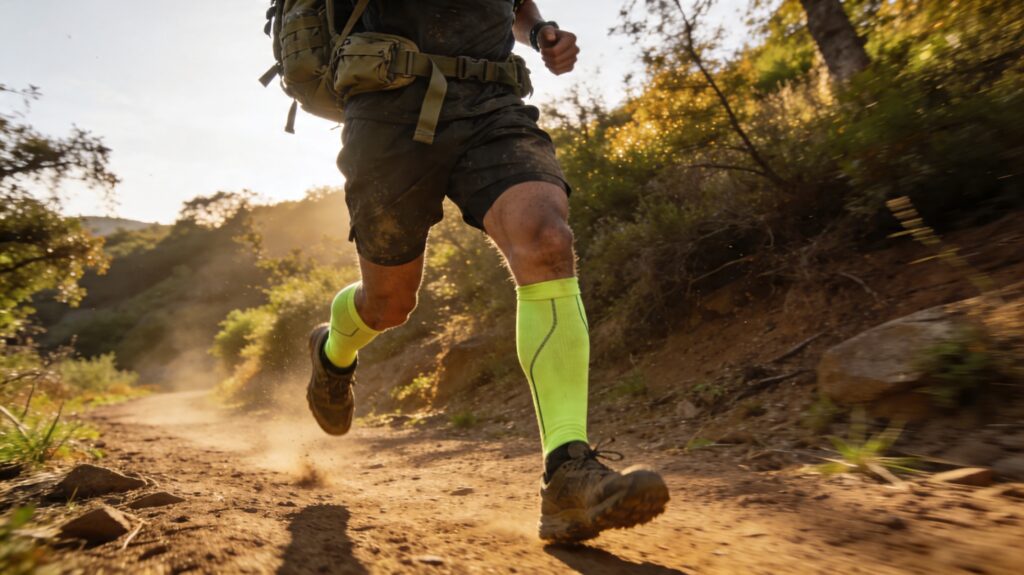
CEP compression socks are particularly popular among endurance athletes for managing calf fatigue and swelling during and after long events.
Active Compression: Boots & Devices
If you want to take recovery to the next level — especially after 20+ mile rucks or multi-day events — pneumatic compression boots are worth the investment. Hyperice Normatec and Therabody JetBoots are the two dominant players in this category, and both reign supreme according to hands-on testing. The Hyperice Normatec Elite offers a wireless design with targeted sequential compression through multiple leg chambers, while the Therabody JetBoots PRO Plus adds multi-treatment capabilities like heat and vibration.
Spending 20–30 minutes in a set of Normatec boots after a long ruck can replicate the circulatory benefits of a professional massage, flushing metabolic waste and reducing soreness before your next training session.
What about Flossing?
Another recovery technique gaining traction in the rucking and tactical fitness community is muscle flossing — also called voodoo flossing (Kelly Starrett is an expert on this). This involves wrapping a thick elastic band tightly around a joint or muscle group (like your calves, knees, or ankles), moving through a range of motion for 60–90 seconds, then releasing the band. The rapid blood return when the band is removed is thought to flush out metabolic waste and restore mobility.
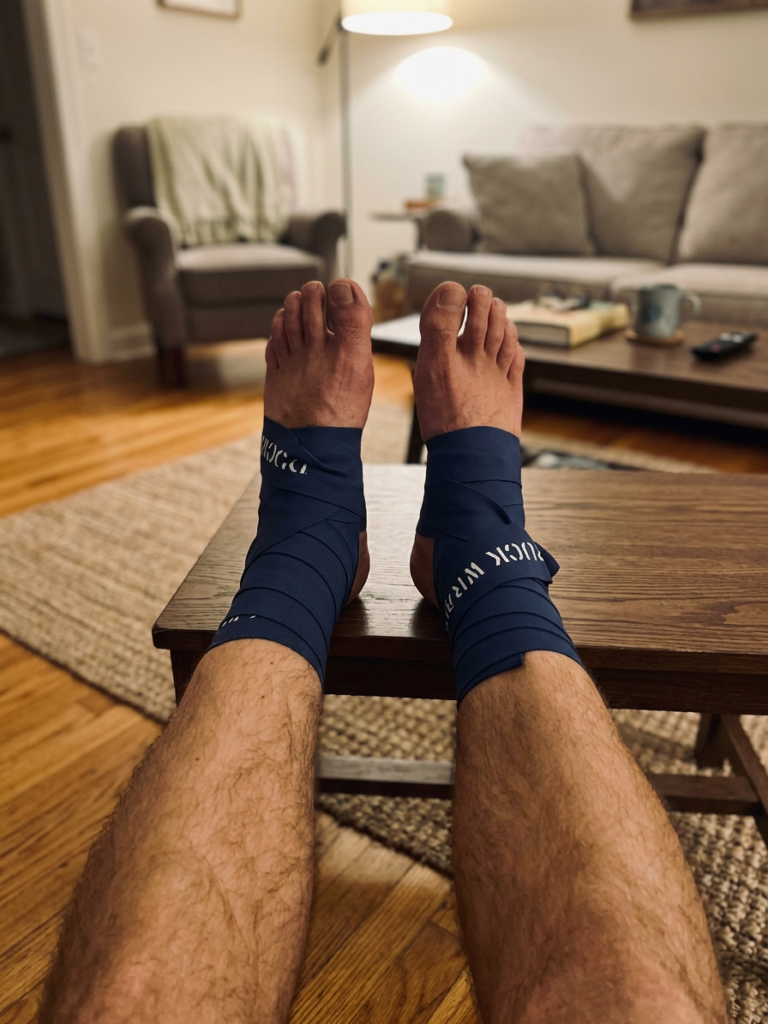
Rogue Fitness, Mobility WOD / The Ready State, BulletProof Bands, and GORUCK sell the most popular floss bands on the market, typically for $15–$30 a pair. They’re compact, lightweight, and easy to throw in your ruck bag for post-event recovery and easy to travel with. I take them with me on every overnight trip.
Flossing pairs exceptionally well with compression therapy — many ruckers use floss bands to target specific tight or sore joints immediately after an event, then follow up with compression socks or Normatec boots for a full 20–30 minute flush. Think of flossing as targeted and short, while compression therapy is systemic and sustained. Together, they cover both bases.
Pro Tip: Wrap your calves or ankles with a floss band right after a long ruck, perform 10–15 ankle circles and calf raises, release, and then slip on your CEP compression socks for the ride home. Your legs will feel noticeably better by the time you get there.
So, Does It Actually Work?
The honest answer: yes, with caveats. The evidence strongly supports compression therapy for reducing soreness, swelling, and improving circulation post-exercise. However, experts at NASM note that the exact mechanisms are still being studied, and results can vary based on the type of compression, fit, and timing of use. For ruckers, the sweet spot is pairing compression socks during events with pneumatic boots or compression tights immediately after for the most noticeable benefit.
Bottom Line for Ruckers
Compression therapy isn’t a magic fix, but it’s one of the most well-supported recovery tools available. Whether you go with a pair of CEP compression socks for under $50 or invest in a Hyperice Normatec system, adding some form of compression to your post-ruck routine is a smart move that your legs will thank you for.