How to Prevent Chafing While Rucking, Running, or Walking
Why Chafing Happens
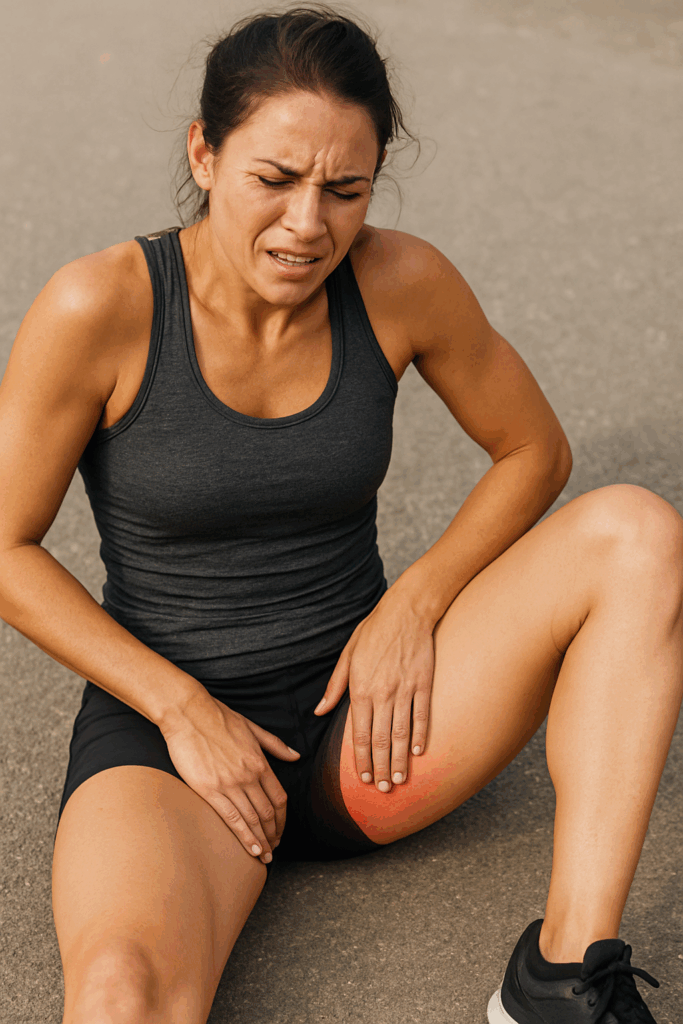
Chafing occurs when skin repeatedly rubs against skin, fabric, or gear—especially in areas like the inner thighs, underarms, or along backpack straps. Add sweat, heat, and friction from movement, and irritation can develop fast. For ruckers carrying weight or covering long distances, preventing chafing is key to staying comfortable and finishing strong. Shoot, this can easily happen at Disney World, a water park or just about any time if you’re not prepared.
1. Choose the Right Anti-Chafing Balm
A high-quality balm creates a smooth, protective layer that reduces friction between skin and clothing.
Popular options:
- Body Glide: A go-to choice among ruckers and runners. It goes on dry, lasts for hours, and doesn’t clog pores.
- Squirrel’s Nut Butter: Made from natural ingredients like coconut oil and cocoa butter. It’s great for sensitive skin and ultra-endurance events.
- Gold Bond Friction Defense: Offers a thicker consistency and includes soothing ingredients like aloe.
Application tips: Apply balm liberally to common hotspots—inner thighs, underarms, chest, lower back, and around pack straps. Reapply on long rucks or humid days.
2. Wear High-Performance, Moisture-Wicking Underwear
Your choice of underwear can make or break your comfort on the trail. Cotton holds moisture, which increases friction and causes chafing. Instead, choose synthetic blends or merino wool that wick sweat and dry quickly.
Best types for rucking and running:
- ExOfficio Give-N-Go Boxer Briefs: Lightweight, breathable, and odor-resistant.
- Under Armour Boxerjocks: Smooth seams and compression fit prevent fabric bunching.
- Smartwool Merino 150 or Icebreaker: Ideal for cooler climates; soft and temperature-regulating.
- Saxx Underwear: BallPark Pouch. Enough said.
Flat seams and a snug (but not tight) fit provide maximum comfort during long sessions.
3. Use Proper Socks and Foot Care
Feet endure serious stress during rucks and runs. Blisters are just another form of chafing, caused by moisture and friction inside your shoes.
How to prevent foot chafing or blistering:
- Choose merino wool or synthetic socks from brands like GORUCK, Darn Tough, Balega, or Injinji (toe socks help prevent rubbing between toes). GORUCK Merino Challenge Socks are my absolute favorite.
- Keep a backup pair of dry socks on longer events.
- Some athletes apply a thin layer of Body Glide or foot powder to reduce friction and moisture. This is what I do.
4. Select the Right Clothing and Layers
Avoid cotton. Instead, wear moisture-wicking, quick-dry fabrics—think polyester, nylon blends, or merino wool. Also, check that seams and tags do not rub against the skin.
Pro tip: Compression shorts under gym or ruck shorts can reduce thigh friction and keep everything in place.
Lightweight, breathable shirts like the GORUCK American Training Tee or Under Armour Tech 2.0 work well for most conditions.
5. Keep Gear Fitted and Adjusted
Backpack straps or weight vests that rub repeatedly can cause shoulder, chest, and back irritation. Make sure your ruck fits snugly but not overly tight.
Checklist for ruck fit:
- Adjust shoulder straps to keep the pack high on your back.
- Use sternum and hip straps for even weight distribution.
- Smooth out clothing wrinkles before putting your ruck on.
For added protection, apply balm to the skin where straps contact or wear a shirt with built-in padding.
6. Stay Dry and Clean on the Move
When sweat builds up, friction increases. If possible, use a small towel or moisture-wicking cloth to wipe down during breaks. In hot conditions, reapply anti-chafing balm at midway points.
Post-workout, shower promptly with a gentle cleanser and avoid heavily fragranced soaps that can irritate sensitive skin. Applying an unscented moisturizer afterward helps restore hydration and prevent future irritation.
7. Treat and Recover from Chafing
If chafing still occurs, clean the area gently and apply a healing balm or ointment like Aquaphor or A&D Ointment. Wear loose, breathable clothing to allow the skin to recover.
Persistent or severe chafing that doesn’t heal after a few days may need attention from a healthcare provider—particularly if redness worsens or infection signs appear.
Final Thoughts
Chafing can turn a great ruck into a miserable one, but it’s preventable with the right gear, prep, and maintenance. A few simple adjustments—like using Body Glide, switching to moisture-wicking underwear, and dialing in your ruck fit—can keep you focused on performance, not discomfort.
Key takeaway: Stay dry, stay smooth, and ruck farther with confidence.
Related article: